Machine Pilot: how we work
The Walk. The Cell. The Partnership.
Most shops know which station holds them back. The hard part is fixing it without betting the shop. So we take it in three steps, each its own decision: we study your floor, build the cell for that station, and stay with you after it runs if you want us there. And we move data, not just parts: through Machine Pilot, every cell we build can report what it is doing.
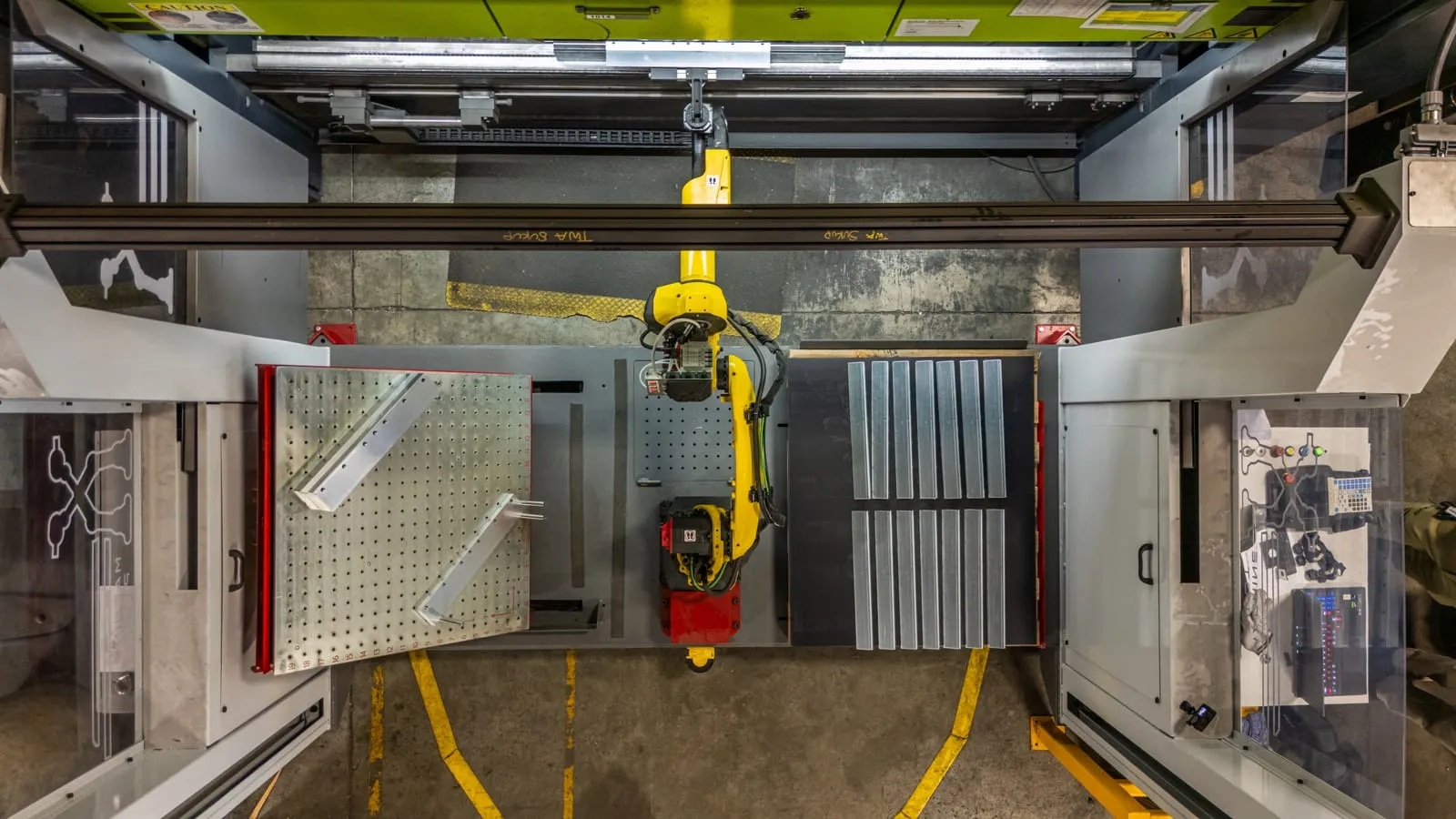
Where it starts
Three steps. You decide after each one.
Before any of it, free
- The Fit CheckFive yes or no questions, about a minute. You see the answer without giving us your contact information.Take the Fit Check →
- A first visitHalf a day on your floor, no charge. If automation does not fit yet, we say so, and why.
The Walk
A paid floor study.
We spend time on your floor with the people who run it and follow your parts from machine to machine. You get a written map of where time and material wait, with your own numbers on it, and a ranked list of what to fix first.
- The map, in your numbers
- A ranked list of what to fix first
- An offer to scope the first cell
You hear the price before you say yes. What we learn on the Walk is never charged for again.
The Cell
A fixed-price robot cell.
For the station that holds you back. Scoped in writing before anyone buys metal, designed and built by TWA in Bixby, Oklahoma, installed on your floor, and your people trained to run it.
- A fixed price, set in the proposal
- Any brand of machine you already own
- A one-year warranty
What comes after the first cell is your call.
The Partnership
Optional, after the cell runs.
If you want us there for the long run: layout for the next cell, what your cells report through a read-only monitor that never moves a machine, training for your people, and support from the team that built it.
- Layout for the next cell
- What your cells report, read-only
- Training and support
Offered when you are ready. Never a condition of the cell.
Every station inside the Cell, from scoping to the day it runs: our process →
What a connected cell reports
Three numbers from the cell itself
Every cell we build can report what it is doing. Here is where each number comes from on a real cell, and what it looks like when it reaches the office.
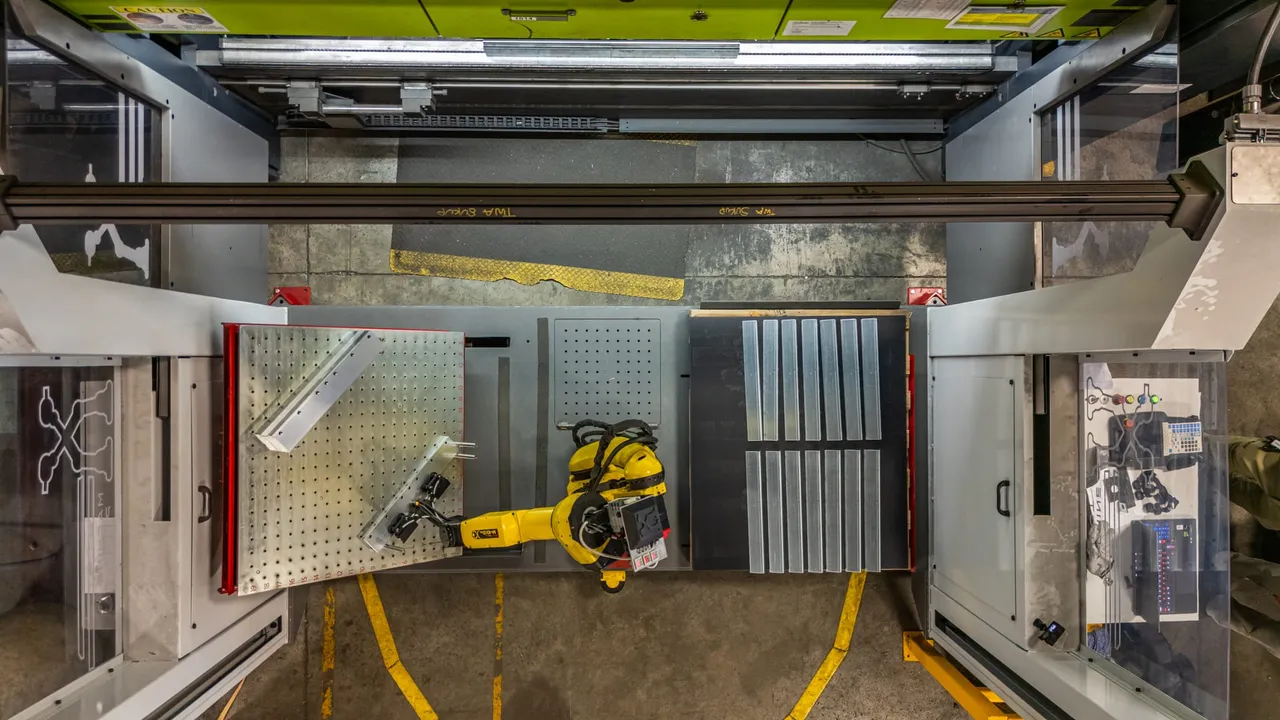
- Cycle times from the robotEvery part, timed. A slow cycle shows up the day it starts, not at month end.
- Part counts from the parts tableCounted at the cell as they come off. Nobody walks out with a clipboard.
- Uptime from the cell controlsRunning or stopped, and for how long. The stops are where the next fix is.
A TWA cell from above. The pins show where each number comes from.
Ridgeline Metal Co.Press brake cell, second shift
- 48 sCycle timeThe last part, from pick to stack.
- 412Parts this shiftCounted at the cell, not at the end of the day.
- 6.6 of 8 hRunningStopped time is logged too.
Parts an hour, this shift
Hour 5: blanks ran out, stopped 9 minutes. The office saw it before anyone walked out.
One cell is a project. A plant that reports itself is a plan: add the next cell knowing what the first one did. Our press brake cell ships ready to report from day one. Press brake tending →
Your portal
Every project gets a private portal
One login from the first visit to the fifth cell. The build stays in the open while it happens, and the numbers live there once the cell runs.
- NowYour build in the open: the stage tracker, a written report every Friday (it is in the contract), shared files and one thread.
- NextEvery opportunity we walked on your floor, in the order you set. Unpriced until scoped. A click is a signal, not a signature.
- RunningAfter acceptance the same login shows what the cell reports, with monitoring, maintenance and training beside it.
Press-brake tending cell
NOW · in build: next Friday report in 3 days
- Design
- Procurement
- Build
- FAT
- Ship
- Install
- SAT
- Accepted
Next: your order, not ours
- Machine-tending cellunscoped, unpriced
- Deburring & finishingPromoted ↑
- End-of-line palletizingunscoped, unpriced
The math: your numbers
Every figure is yours to set. We never pre-fill a rosy number.
Try it on your phone first, drawn for a shop we made up: your shop in one picture, the cells and shifts planner and a tour of the portal.
Start with one cell
Start with the station that caps your week
The Fit Check takes about a minute on your phone, and you see the answer first. You decide what happens after.